Latest posts
-
Kekova Shipwreck: Could This Be the World’s Oldest Known Shipwreck?
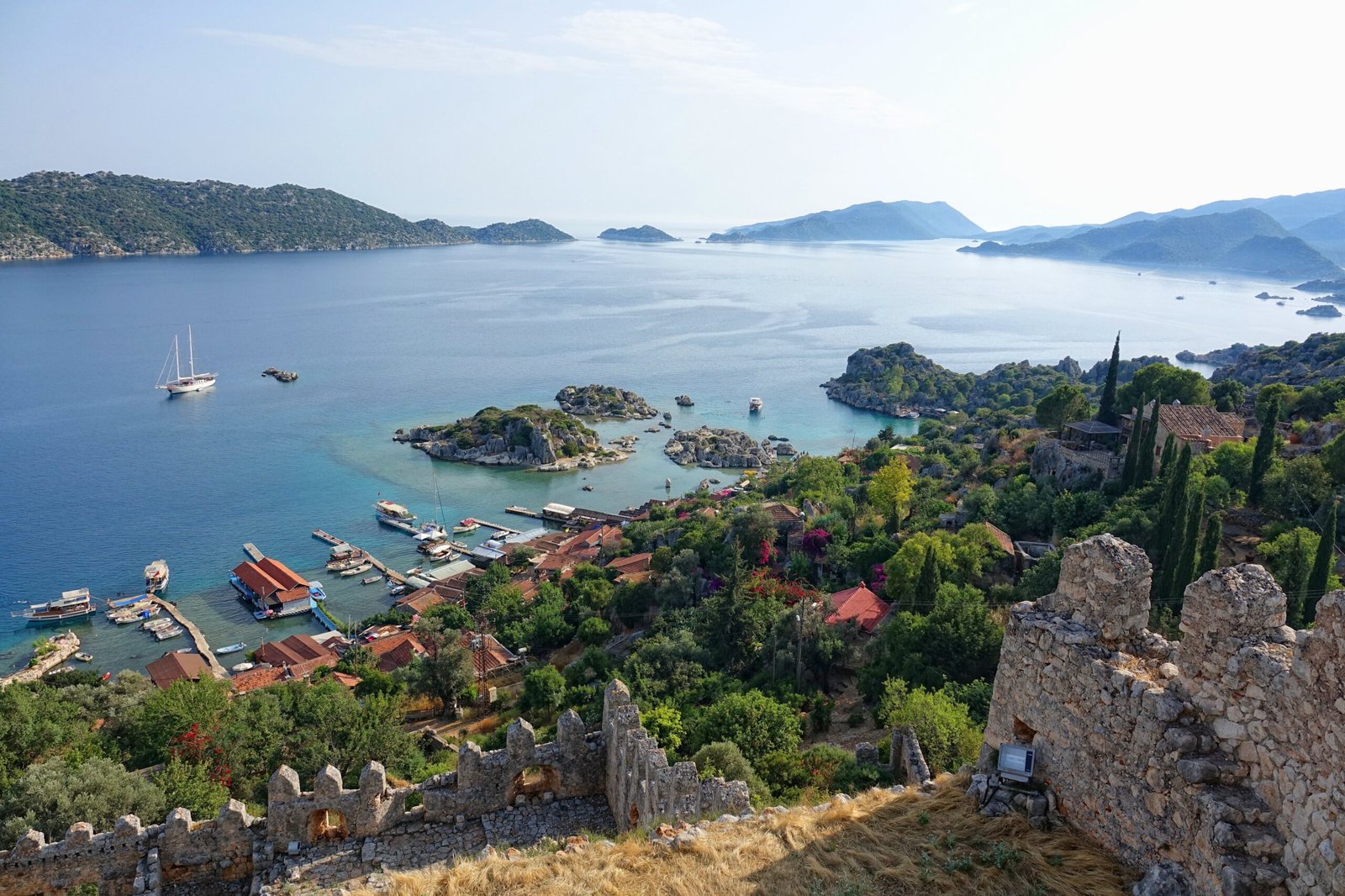
A wreck site near Kekova has yielded Early Bronze Age pottery dating roughly to 2600–2400 BC. The ship itself has vanished, but its cargo may push the archaeological record of Mediterranean shipwrecks deeper into the third millennium BC.
-
Young Adults Were the Most Mobile Group in Bronze Age Greece
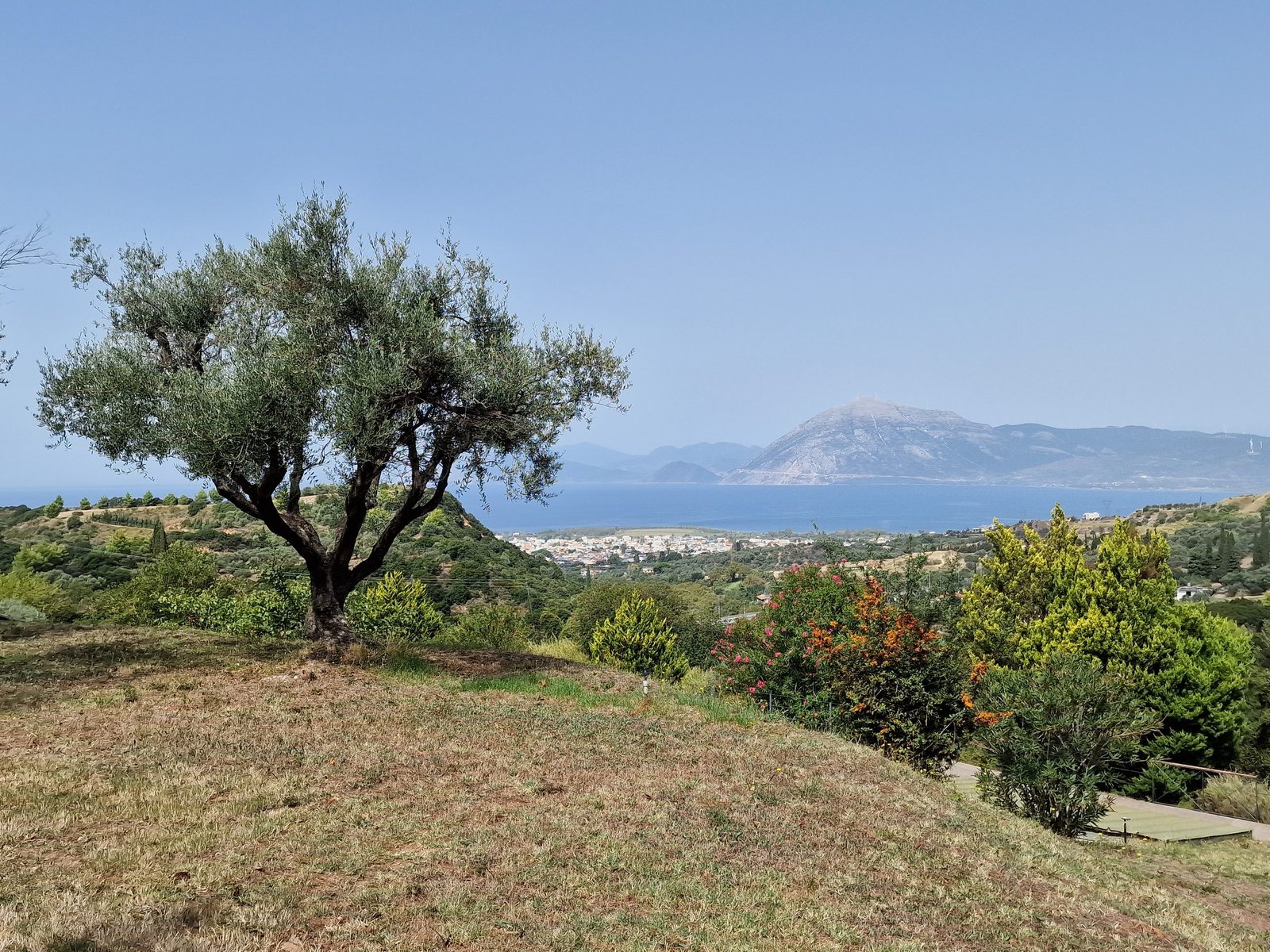
A new study of 199 people buried at six sites suggests that mobility in Bronze Age Greece was selective, multidirectional and concentrated among young adults.
-
Collapsed Roof Helped Preserve a Rich Etruscan Tomb at Vulci
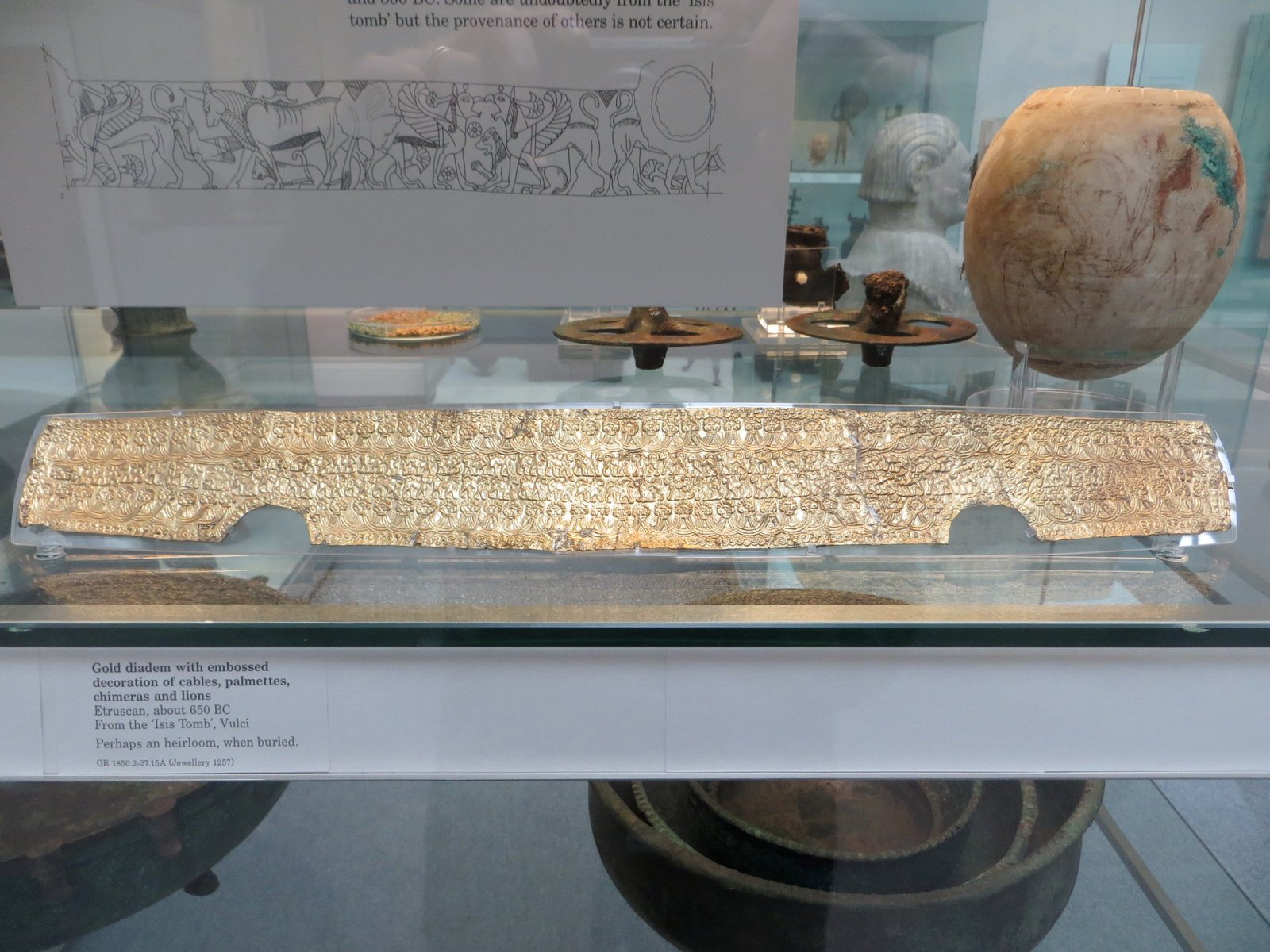
A newly excavated tomb at Vulci preserves parts of a lavish Etruscan burial despite past looting. Here is what the 2026 findings reveal—and what still needs study.
-
Ancient Wall Beneath Paris Hospital May Reveal Gallic Lutetia
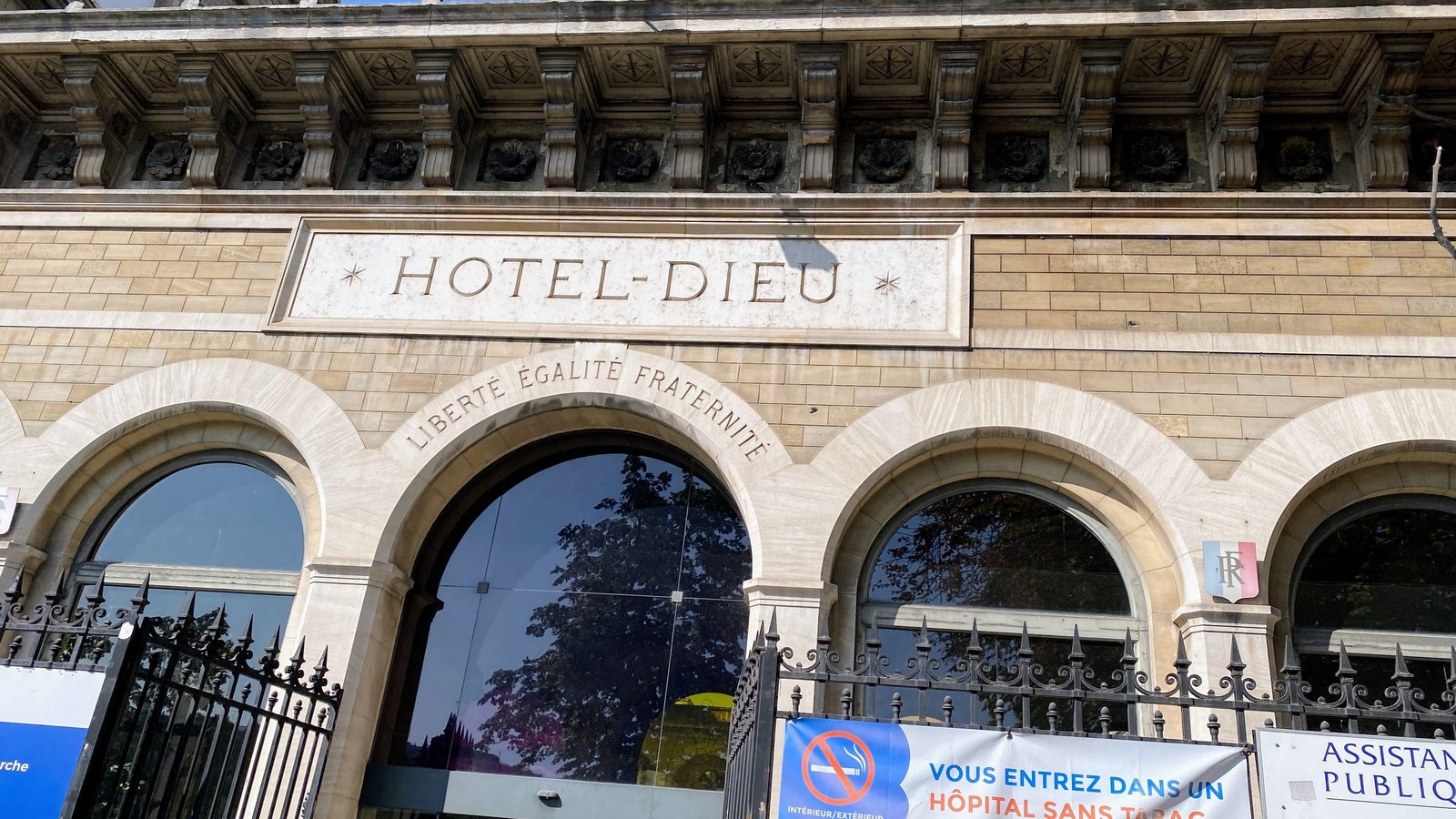
A wall uncovered beneath Paris’s Hôtel-Dieu hospital could help locate the Gallic settlement described by Julius Caesar. Its construction, date and connection to a famous fire are still being investigated.
-
Has Noah’s Ark Been Found? Inside the New Durupınar Investigation
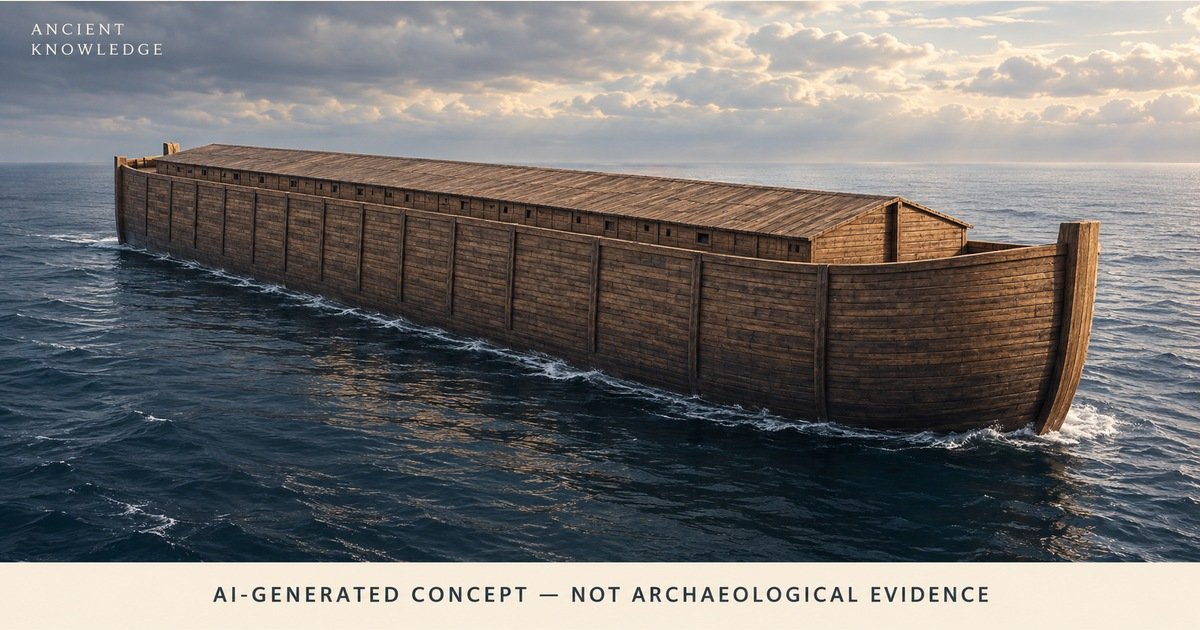
New drilling and radar claims have returned Turkey’s Durupınar formation to the headlines. We examine the latest reports, the older geological research, and the tests needed to establish what lies underground
-
Why Did Ancient Egyptians Bury Objects Beneath Temples?
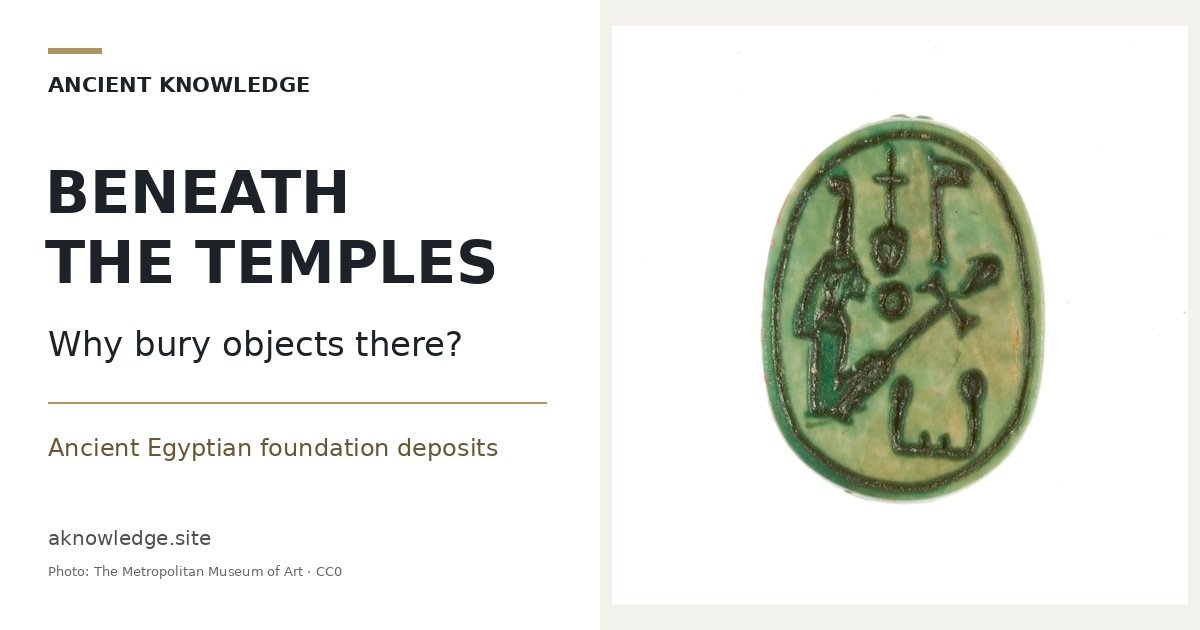
A green-glazed scarab from Hatshepsut’s temple at Deir el-Bahri measures just 1.6 centimeters long. Its underside carries her throne name, Maatkare. Archaeologists recovered it from a foundation deposit along the temple’s eastern enclosure wall. [7] Ancient Egyptian foundation deposits were groups of objects deliberately buried in or near buildings during rites connected with construction. They…