Latest posts
-
How Were Roman Cage Cups Made? Evidence Behind the Glass
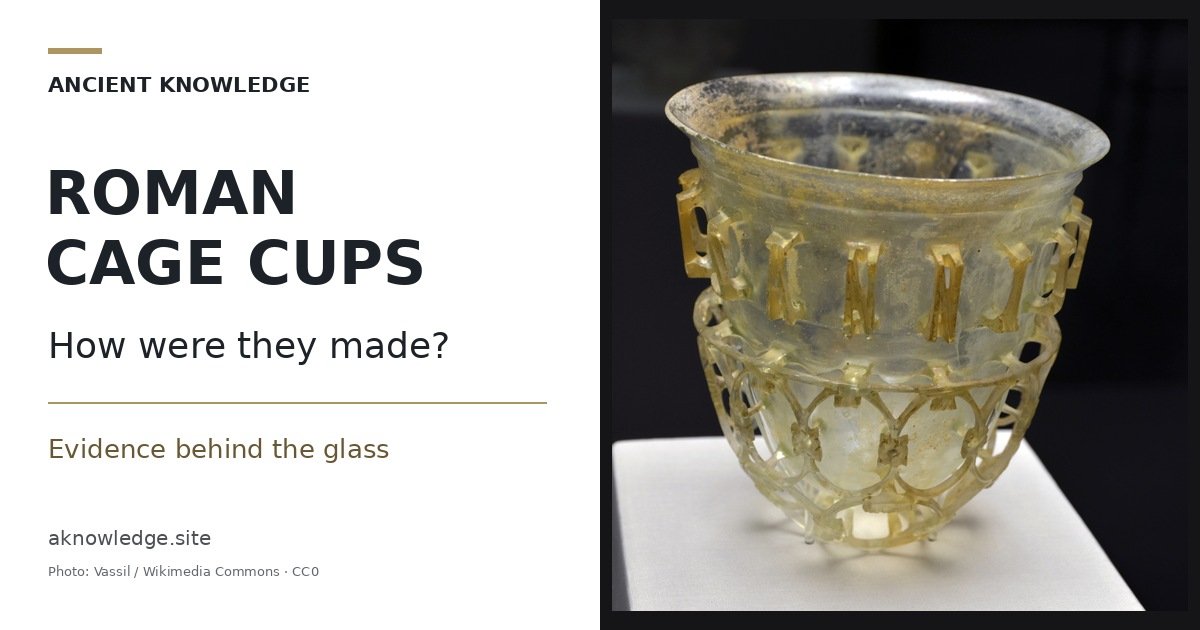
Look closely at a Roman cage cup and the puzzle appears in the gaps. An outer network seems to float around the vessel, connected to it by tiny glass bridges. How could anyone carve behind that network without breaking it? The strongest evidence from studied examples points to cutting and grinding a thick glass blank,…
-
What Were Kudurru Stones? Land, Law, and Gods in Babylon
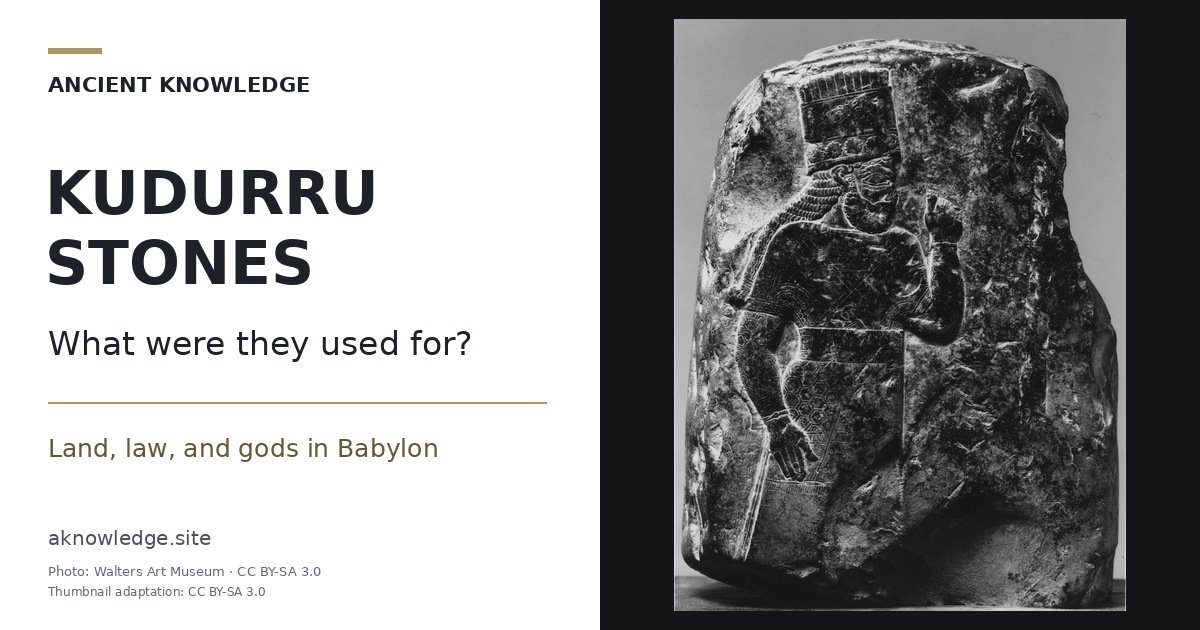
A Babylonian king raises one hand before his face. His robe is patterned, his crown tall, and the stone beneath his image carries a damaged inscription. This small monument in the Walters Art Museum belongs to the group commonly called kudurrus, or Babylonian boundary stones. [1] What were kudurru stones used for? They recorded and…
-
Why Did Ancient Egyptians Bury Objects Beneath Temples?
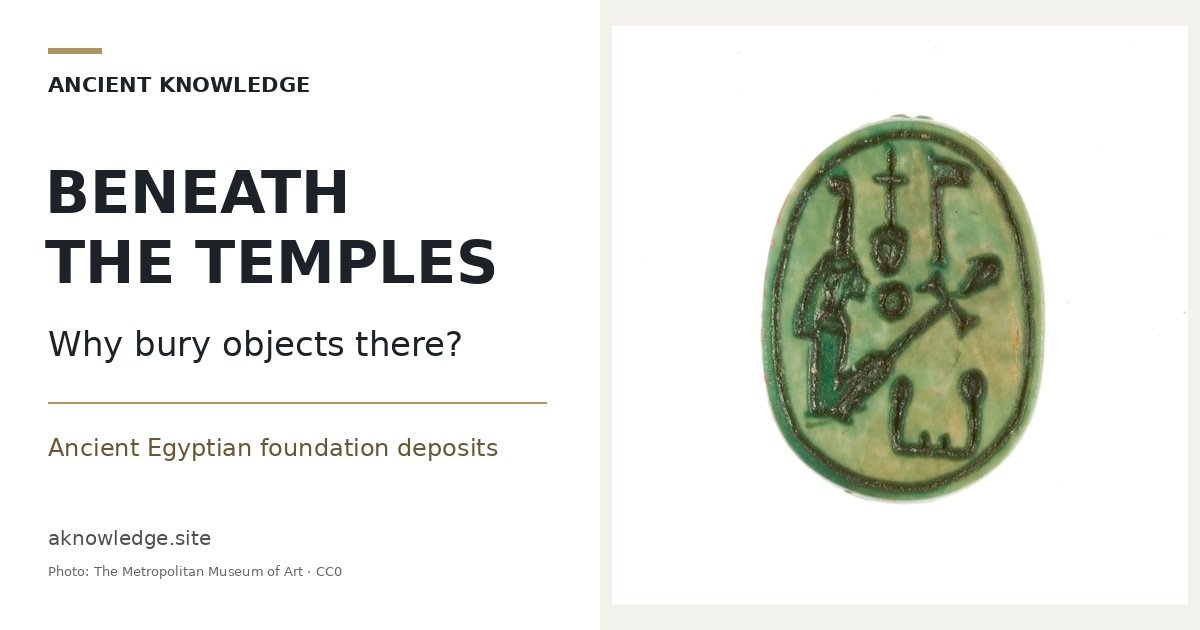
A green-glazed scarab from Hatshepsut’s temple at Deir el-Bahri measures just 1.6 centimeters long. Its underside carries her throne name, Maatkare. Archaeologists recovered it from a foundation deposit along the temple’s eastern enclosure wall. [7] Ancient Egyptian foundation deposits were groups of objects deliberately buried in or near buildings during rites connected with construction. They…
-
The Antikythera Mechanism: A Cosmos Cast in Bronze
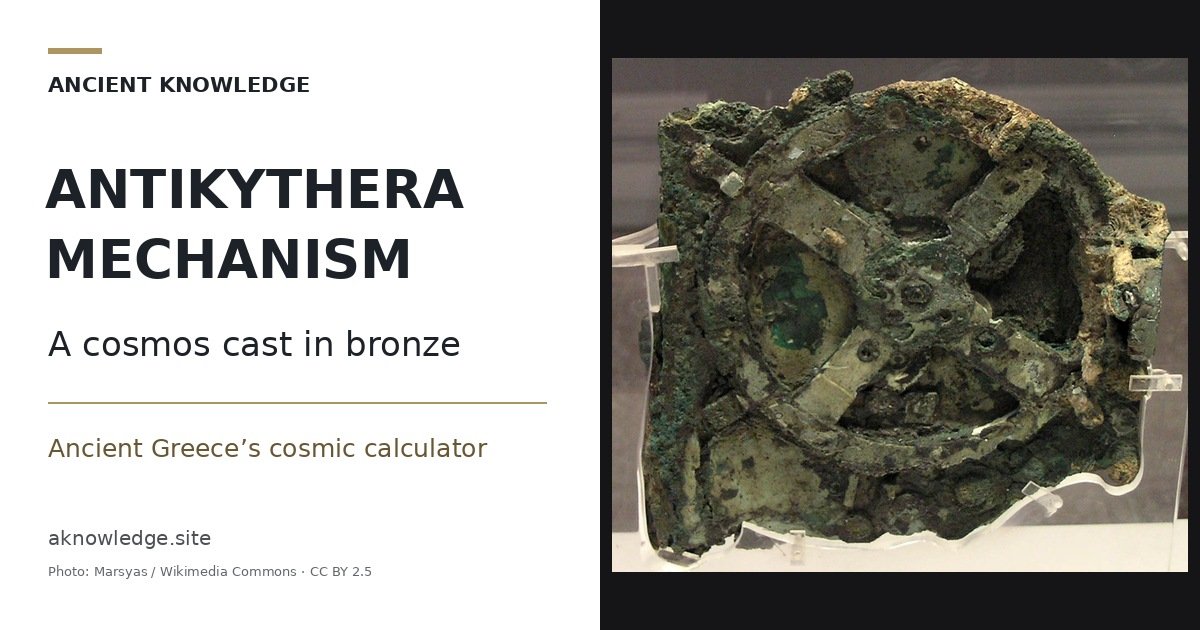
Recovered from a Mediterranean shipwreck, this ancient Greek machine turned astronomical cycles into moving gears. Its surviving fragments reveal both an extraordinary achievement and the limits of what we can reconstruct. The most revealing feature of the Antikythera mechanism is a row of teeth. Even through the corrosion, their regular spacing is unmistakable: someone cut…